Featured
Table of Contents
Researches of Holocaust survivors have discovered that while numerous withstood speaking to kids concerning their experiences, their worldviewthat the world was a dangerous location where dreadful points could occur at any type of timeaffected their youngsters's expectation.
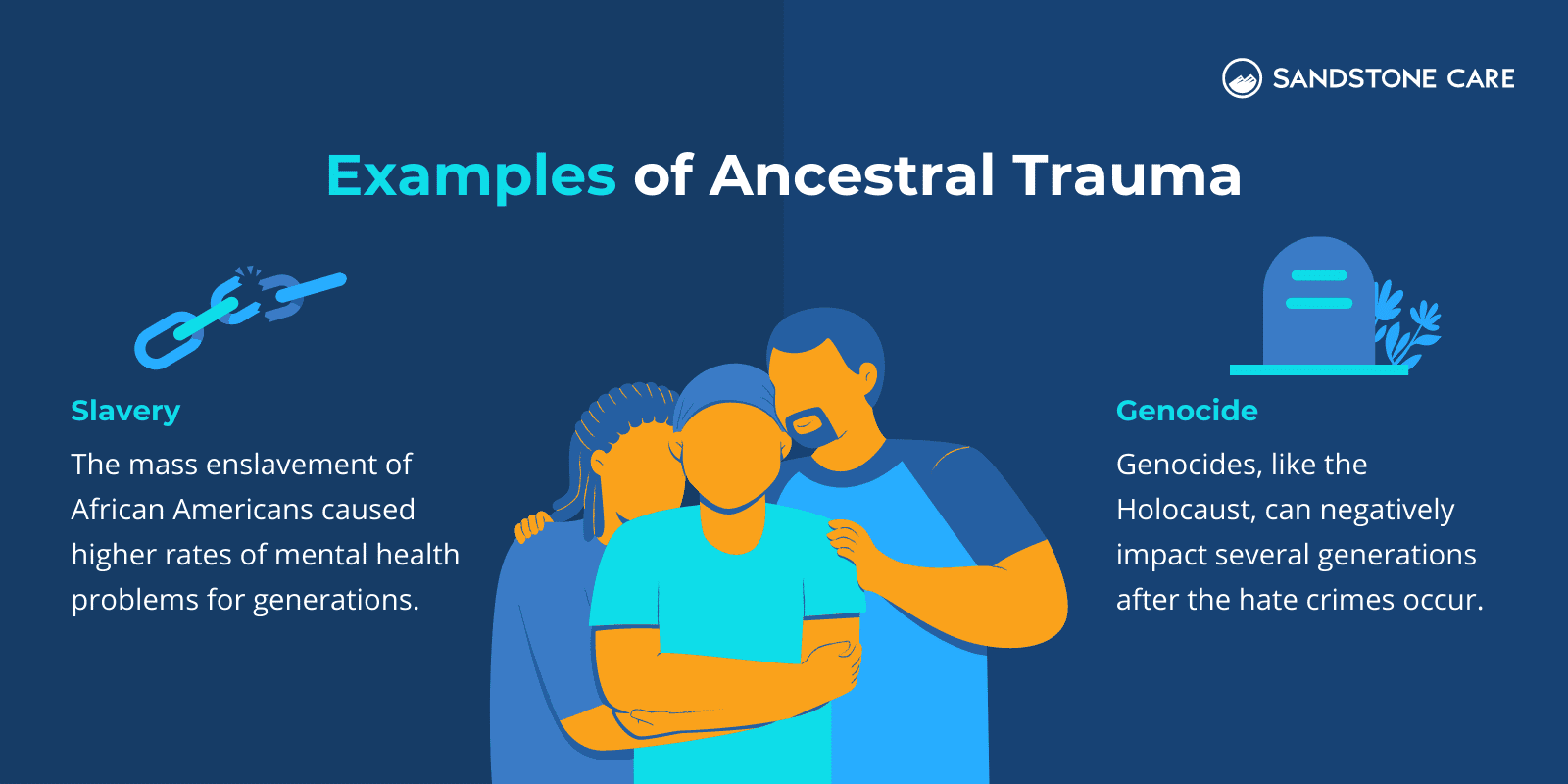
Intergenerational injury is trauma passed from one generation to the following, typically without direct experience of the terrible occasion. This trauma can trigger signs like stress and anxiety and mood problems, comparable to PTSD.Therapy and trauma-informed care can help take care of the impacts of intergenerational trauma.
Markers of Lived Experience
Individuals experiencing intergenerational trauma might experience signs and symptoms, reactions, patterns, and emotional and psychological results from trauma experienced by previous generations (not restricted to simply moms and dads or grandparents). Humans have made it through for hundreds of years by evolving the capability to adjust. If you cope with persistent anxiety or have actually endured a traumatic occasion, particular feedbacks activate to aid you survivethese are called injury feedbacks.
A person who has experienced injury may have a hard time to really feel calm in scenarios that are objectively secure because of anxiousness that another stressful occasion will occur. When this happens, the injury feedback can be damaging as opposed to adaptive. As an example, a person might have matured in a house where there were generations of yelling and shouting at their youngsters in rage, coming from a location of unresolved trauma and discomfort.
Setting Limits While Maintaining Family Connections
made it through that caused their shouting or yelling. This may have been because shouting or yelling was adaptive behavior for survival or they had their very own moms and dads chew out them because those moms and dads and those prior to them really did not have the tools, energy, modeling, support, or room to talk kindly/gently/lovingly to their children because of constant stressors and the trauma of historical oppression/struggle.
Those impacted by intergenerational injury could experience signs similar to that of trauma (PTSD), consisting of hypervigilance, anxiousness, and state of mind dysregulation. Because the person did not directly experience the injury themselves, they will not experience recalls or intrusive memories. They experience trauma signs and symptoms and trauma actions from events that did not occur to them; rather, the reaction is acquired genetically.
Intergenerational injury takes place when the impacts of trauma are passed down between generations.
The Role of Lived Experience in Dialectical Behavior Therapy
This is one manner in which we adapt to our environment and endure. When someone experiences injury, their DNA reacts by turning on genetics to help them make it through the demanding time. Genes that prime us for things like a fight, flight, freeze, or fawn feedback will turn on to aid us be ready for future hazardous scenarios.

Our genetics do a wonderful task of keeping us secure also if this does not imply maintaining us happy. When genes are primed for difficult or stressful events, they react with higher resilience to those occasions, yet this consistent state of expecting threat is demanding. The compromise of being constantly prepared to keep us safe enhances our body's anxiety degrees and impacts our psychological and physical health gradually.
Processing Displacement Trauma
This "survival setting" stays inscribed and passed down for numerous generations in the lack of added injury. Our genes do a fantastic job of maintaining us secure even if this does not imply maintaining us happy. When genetics are topped for stressful or stressful events, they respond with higher strength to those occasions, however this continuous state of anticipating threat is demanding.
Research study reveals that youngsters of parents with greater ACEs ratings are at higher threat for their own adverse youth experiences.
There are several resources readily available to those handling injury, both individual and intergenerational. Acknowledging injury signs, even if they are acquired rather than related to an individual trauma, is vital in coping and seeking assistance for intergenerational injury. Even if you do not have your own memories of the trauma, a trauma-informed strategy to care can help you manage your body's physiological reaction to intergenerational injury.
Karen Alter-Reid, PhD is a licensed clinical psychologist based in Stamford, Connecticut. She is a medical professional, teacher, specialized speaker, and expert. Dr. Alter-Reid maintains a private technique supplying treatment for people with acute stressful tension problems, anxiety, and life-cycle transitions. Her most recent work concentrates on finding and recovery trans-generational injury, bringing a wider lens to her deal with people.
Identity Conflict and Emotional Impact
Dr. Alter-Reid uses an integrative method which may incorporate relational psychotherapy, EMDR, hypnosis, tension management, sensorimotor psychotherapy and/or biofeedback. These adjunctive strategies are based upon innovative research in neuroscience. Dr. Alter-Reid is the EMDR Senior Expert to the Integrative Trauma Program at the National Institute for the Psychotherapies in New York City ().
In enhancement, Dr. Alter-Reid is on professors in both the Integrative Injury Program and in the 4 year analytic program. She co-led a group of trauma specialists for 12 years as component of a charitable, Fairfield Region Injury Action Team.

Latest Posts
Building resilience through successful completion
Finding Your Support System
The Real Truth of Postpartum Life